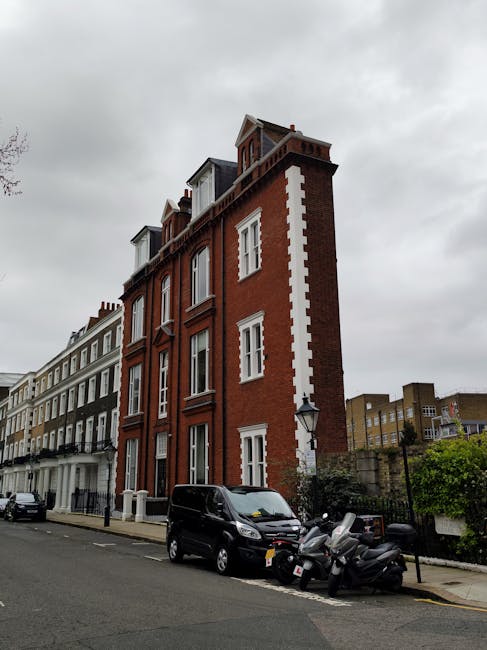
Hammersmith and Fulham Council Parking Permits for Movers: A Practical Guide for a Smoother Move
Moving day in west London can feel busy enough without a parking problem turning up at the curb. If you are trying to organise Hammersmith and Fulham council parking permits for movers, the goal is simple: make sure the van can stop legally, load quickly, and leave without a ticket, stress, or last-minute reshuffling. That sounds straightforward, but anyone who has moved in a tight street near a terrace, a mansion block, or a busy high road knows there is usually a bit more to it.
This guide explains how council parking permissions generally work for movers in Hammersmith and Fulham, why they matter, how to plan ahead, and what practical steps make moving day run better. You will also find a checklist, a comparison table, and common mistakes to avoid. If you are arranging a home move, flat move, or business relocation, it helps to understand the parking piece early. It really does save time.
Why Hammersmith and Fulham council parking permits for movers Matters
Parking is one of those unglamorous details that decides whether a move feels organised or slightly chaotic. In Hammersmith and Fulham, where streets can be narrow, bays can be busy, and loading space may be limited, the difference between having the right parking arrangement and winging it is huge. One wrong assumption can mean a van circling the block, a crew waiting on the pavement, or a very unwelcome PCN. Nobody wants that on moving day, especially not while the kettle is packed away.
For movers, council parking arrangements matter because a removal vehicle needs a lawful place to stop close to the property. If the van cannot park near the entrance, you get longer carrying distances, more risk of damage, slower loading, and extra pressure on the schedule. That becomes even more relevant for flats, basement properties, top-floor walk-ups, and streets with active traffic. Truth be told, even a small delay can ripple through the whole day.
It also matters for neighbours and building access. A well-planned stop reduces disruption, keeps the pavement clearer, and makes life easier for everyone involved. That is especially useful in mixed residential streets where residents, deliveries, taxis, and refuse vehicles all compete for the same space.
If you are booking professional help, the parking plan should sit alongside the rest of the move plan, not as an afterthought. The same goes whether you are using a man and van, booking a larger removal van, or arranging a full-service move through removals. Parking is part of the job, not separate from it.
How Hammersmith and Fulham council parking permits for movers Works
In practical terms, council parking permission for movers usually means arranging access to a controlled parking bay, suspended bay, loading place, or another form of authorised stop so the moving vehicle can load and unload legally. The exact process can vary by location, street rules, bay type, time of day, and how busy the road is. That is why it is wise to treat every move as its own little puzzle.
Most moving jobs involve one of three parking scenarios:
- Dedicated loading or waiting space where the van can stop for a short period.
- Controlled parking bay use where permission or payment may be needed.
- Temporary suspension or special arrangement when normal parking is not enough.
What matters most is confirming what is allowed before the van arrives. A moving crew cannot always rely on finding a free space at the exact right moment, especially on a weekday morning. If the street is already tight, the safe assumption is that parking will be the hardest part of the move, not the easiest.
For residents in smaller properties, parking sometimes has to be coordinated with building access too. Think narrow entrance roads, shared forecourts, or a loading area that can only take one vehicle at a time. In these situations, timing becomes just as important as location. A 15-minute slip can matter more than people expect.
There is also the question of vehicle size. A compact van can sometimes fit where a larger vehicle cannot, which is why many people compare options like man with van, man with a van, and moving truck hire before deciding how much space they really need.
Key Benefits and Practical Advantages
Getting the parking side right offers more than just peace of mind. It changes the shape of the whole move. Here are the biggest practical advantages.
- Less wasted time: the vehicle can load and unload closer to the property.
- Lower risk of fines: proper parking arrangements reduce the chance of enforcement issues.
- Safer lifting: shorter carrying distances reduce strain and the risk of knocks and scrapes.
- Better schedule control: the crew can work in a more predictable rhythm.
- Reduced stress: fewer parking surprises means fewer moving-day headaches.
There is also a knock-on effect for the rest of the move. When parking is sorted, the team can focus on handling awkward items, protecting furniture, and moving boxes efficiently. If you are dealing with fragile belongings, that extra control matters. It is one thing to carry a sofa from the van to the front door; it is another to do it after a long search for legal parking and a bit of driver frustration.
For bigger moves, parking planning can help a company deliver a smoother service overall. That is why many customers pair parking preparation with proper packing support from packing and boxes or a full end-to-end option such as packing and unpacking services. A well-organised move tends to feel calmer, and yes, calmer is good.
Expert summary: In a dense area like Hammersmith and Fulham, parking permission is not just a legal detail. It is part of move design. Get it right and the whole day usually flows better.
Who This Is For and When It Makes Sense
This topic is relevant to a lot of people, but not everyone needs the same level of parking planning. The key is understanding your own move.
You will usually need to think carefully about council parking if you are:
- moving from a flat or apartment with limited roadside space
- living on a busy residential street or near a main road
- moving in or out of a controlled parking zone
- using a larger vehicle that needs more kerb space
- handling a same-day or time-sensitive move
- coordinating a commercial relocation with scheduled access
It also makes sense if you are moving bulky furniture, appliances, or high-value items. Even a short walk from van to door can make a difference when something is heavy or awkward. Think of wardrobes, chest freezers, large mirrors, or pianos. Those are the jobs where parking right outside, or very close by, feels like a gift.
Students and people moving into shared housing often underestimate parking because the move looks small on paper. Yet student streets can be some of the trickiest, with limited space, delivery vans, and constant local traffic. If that is your situation, the student removals page is a useful place to think about the wider logistics as well.
Businesses need to think about it too. Office relocations often happen on strict timelines, and staff cannot wait around while a driver tries to find somewhere legal. For that reason, many firms plan their move alongside office removals or broader commercial moves support.
Step-by-Step Guidance
Here is a straightforward way to handle parking planning for a move in Hammersmith and Fulham.
- Check the street layout early. Look at where the van might stop, how much curb space exists, and whether the property sits on a road with heavy parking demand.
- Work out the vehicle size. A small van, medium van, or larger removal truck all need different amounts of space. If you are unsure, it helps to talk through the move before booking.
- Identify likely loading points. Consider the front of the property, the nearest legal bay, and any side access or service road.
- Assess timing. Morning starts can be easier in some streets, while others are busier with school runs, commuters, or weekday deliveries. There is no universal answer, annoyingly.
- Confirm any permit or suspension need. If the street is controlled, permission may be needed. Leave enough time for this; do not leave it until the night before.
- Tell the mover the details. Share postcodes, access notes, and the parking situation so the vehicle can be selected properly.
- Prepare loading space at both ends. Keep the route clear, move personal cars if possible, and make sure there is enough room for safe carrying.
- Have a fallback plan. If the first choice of parking falls through, know the nearest sensible alternative. A bit of backup planning saves a lot of pacing up and down the pavement.
If you are arranging your move through a removals provider, parking should be discussed at the quote stage, not after the booking. That is one reason people often compare options through pricing and quotes before they settle on a plan. Clear information in advance usually means fewer surprises later.
Expert Tips for Better Results
A few small decisions can make the parking side of a move much easier. These are the kind of details that experienced movers pay attention to because they save time in the real world.
- Measure mentally, not just on paper. A road can look roomy in a photo and still be awkward once a van arrives. Corner radii, bins, and parked cars all matter.
- Assume the street will be busier than you hope. That sounds slightly pessimistic, but it is safer. London streets have a way of filling up.
- Keep the access point obvious. If the driver is arriving first, make sure the property number is easy to spot.
- Avoid peak congestion where possible. Mid-morning or early afternoon may work better than school-run time, though local conditions vary.
- Use the right size of vehicle. Booking too large a van can complicate parking. Booking too small can mean extra trips. Neither is ideal.
- Protect the loading route. Clear away mats, plant pots, or anything likely to trip someone carrying a heavy item.
Here is a simple one: if you can stand at the kerb and see how a sofa or wardrobe would travel from van to front door, you are already thinking like a mover. That mindset helps.
For some moves, especially those involving delicate or oversized items, it is worth choosing a service that can adapt to awkward access. furniture removals and piano removals are good examples of where parking and access planning become part of the handling strategy, not an afterthought.
Common Mistakes to Avoid
Most parking problems come from the same handful of mistakes. The good news is they are all avoidable with a bit of planning.
- Leaving the parking plan too late. This is the big one. The morning of the move is too late to discover a permit issue.
- Assuming a free space will appear. Sometimes it does, sometimes not. Relying on luck is a poor moving strategy.
- Forgetting about vehicle length. A space that looks fine for a car may not work for a van with a ramp or tail lift.
- Not telling the movers about restrictions. If they arrive without the right vehicle or timing, the whole schedule gets harder.
- Blocking neighbours or access points. Even if you are only there for a short time, poor placement can cause friction quickly.
- Ignoring building rules. Flats, estates, and managed properties may have their own access requirements on top of council rules.
One common issue in practice is underestimating how long loading will take if the van cannot get close enough. It starts as a small inconvenience and turns into extra carrying, extra fatigue, and sometimes extra cost. Not ideal, clearly.
If your move is fast-moving or last-minute, you may want to look at same-day removals support, but even then, parking still needs a proper check. Speed is useful; shortcuts are not.
Tools, Resources and Recommendations
You do not need a complicated toolkit to manage parking for a move. You mainly need good information, a clear plan, and honest communication. The following resources and habits help most:
- Property details: postcode, entrance location, floor level, and whether there is rear or side access.
- Vehicle plan: confirm van size, whether a tail lift is needed, and how much kerb space it needs.
- Move inventory: a rough list of large items, box count, and anything fragile or awkward.
- Timing notes: preferred arrival window, building restrictions, and any school-run or delivery pressures.
- Support services: if you need temporary overflow storage, look at storage so the move does not become crammed and rushed.
It also helps to use a removal company that understands local access problems in west London. The best teams ask about parking early because they have seen what happens when this gets missed. Small detail, big difference.
If you are comparing providers, it is sensible to look at broader service pages too, such as removal services and removal companies, so you can judge whether the business is set up for more than just a basic van-and-driver job.
Law, Compliance, Standards, or Best Practice
Parking permissions and moving-day access sit within a wider framework of local parking rules, road restrictions, and general duty of care. While the exact council process can change and should always be checked directly with the relevant authority or building manager, a few best-practice principles are fairly steady.
First, never assume stopping is allowed just because unloading is quick. In many controlled areas, loading or waiting still has conditions attached. A brief stop can still attract enforcement if it is not properly authorised. That is one of those facts people only learn the hard way, and it is a bit of a nightmare.
Second, safety comes before convenience. Vehicles should not block junctions, crossings, driveways, or create risk for pedestrians. That is true for residential and commercial moves alike. Good movers think about visibility, traffic flow, and the route from van to property.
Third, communication matters. If you are arranging a move through a professional team, let them know about restrictions, permits, and access limits. That aligns with normal UK moving best practice: be accurate, be specific, and do not leave assumptions lying around.
Fourth, insurance and care should be in place. A move involving heavy lifting, tight access, and roadside loading needs proper handling. You can read more about practical safeguards in the company's insurance and safety information and its health and safety policy. Those pages are useful because they show the sort of standards a serious mover should be working to.
If your move involves disposal or replacing unwanted items, it is worth thinking about responsible reuse too. The recycling and sustainability page is relevant here, especially where furniture, packaging, or old household items need a proper plan.
Options, Methods, or Comparison Table
Different moves need different parking approaches. Here is a simple comparison to help you choose the right approach for your situation.
| Parking approach | Best for | Advantages | Potential drawback |
|---|---|---|---|
| Short legal loading stop | Small home moves, quick unloading, compact vans | Fast, simple, minimal disruption | Limited time and limited space |
| Controlled bay or paid parking arrangement | Standard removals in busier streets | More predictable access | May require extra planning and admin |
| Temporary suspension or special access arrangement | Busy streets, larger vans, difficult kerbside access | Best control over the loading point | Needs more lead time and coordination |
| Off-street or private access | Flats, managed buildings, homes with driveways or courtyards | Can be easiest if available | May still need permission or building approval |
There is no single best option for everyone. A small flat move in a quiet side street may only need a compact van and brief kerbside loading. A business move, on the other hand, may need firmer control, better timing, and a larger vehicle plan. The best approach is the one that fits the property, the road, and the items being moved.
Case Study or Real-World Example
Picture a typical move in Hammersmith: a two-bedroom flat on a busy street, one flight up, with a sofa, a wardrobe, several boxes of books, and a bicycle that somehow became heavier overnight. The couple moving out had assumed they could just stop outside. On the day, though, the street was already busy with parked cars and a delivery van across the road. The first attempt would have meant a long carry and a blocked path. Not ideal.
Instead, the moving plan was adjusted early enough to identify a better stop nearby, with a shorter route to the entrance. The crew loaded more efficiently, the furniture did not spend half the morning zig-zagging around the kerb, and the move felt controlled rather than frantic. No drama, no angry neighbour, no stress spiral. Just a cleaner process.
The interesting part is that the couple had not even thought of parking as a major issue at first. Most people do not. They think about boxes, tape, keys, maybe the broadband transfer. Then moving day arrives and the parking problem is suddenly standing there like an uninvited guest. That is why planning ahead matters.
In a similar situation, someone moving a few bulky items from a shared house might choose a smaller vehicle and a shorter loading window, while an office team might book a more structured service through office relocation services. Same city, same council area, very different needs.
Practical Checklist
Use this checklist before move day. It is simple, but it catches a lot of the usual issues.
- Confirm the moving date and arrival window
- Check whether the property is on a controlled or busy street
- Identify the closest legal loading point
- Confirm van size and access requirements
- Ask whether any permit, suspension, or authorisation is needed
- Share the full postcode and building access details with the mover
- Move private cars if they block the loading point
- Clear the route from property to vehicle
- Protect fragile or high-value items separately
- Prepare a fallback parking option in case the first choice is unavailable
- Keep keys, documents, and essentials in one easy-to-reach bag
- Leave a bit of buffer time, because moves almost always run a little differently than planned
If you want a smoother experience overall, it can also help to sort packing early and label boxes clearly. A few minutes spent now can save a lot of wandering later, especially when the front room is full of half-sealed cartons and that one mysterious box nobody remembers packing.
Conclusion
Hammersmith and Fulham council parking permits for movers are not the most exciting part of a relocation, but they are one of the most important. Good parking planning protects your schedule, reduces stress, improves safety, and makes loading and unloading far more efficient. Whether you are moving from a flat, a family home, or an office, the same principle applies: the closer the move is planned to the reality of the street, the better the day tends to go.
To be fair, parking can feel like a small detail right up until it causes a big delay. Once you have handled it properly, though, the rest of the move gets a lot easier to manage. And that is the whole point.
When you are ready, choose a mover who understands access, timing, and the practical side of west London streets. A careful plan today can save you a lot of noise, time, and irritation tomorrow.
Get a free quote today and see how much you can save.
Frequently Asked Questions
Do I always need a parking permit for movers in Hammersmith and Fulham?
Not always. It depends on the street, the parking restrictions, the vehicle size, and whether a legal loading space is available. Some moves can be done using a short lawful stop, while others need a more formal arrangement. It is best to check early rather than assume.
Can a removal van just stop outside my house for loading?
Only if stopping there is allowed. In controlled parking areas, even a short load can be restricted. The safest approach is to confirm the local rules and make sure the driver has a proper place to stop. A quick stop is still a stop.
How far in advance should I sort parking for a move?
As early as possible. For busy streets or larger moves, leaving it until the final day is risky. A bit of lead time gives you room to arrange the right vehicle, the right timing, and any permission that may be needed.
What happens if the van cannot park near the property?
The move may still happen, but it will usually take longer and require more carrying. That increases fatigue and can make fragile items harder to manage. In some cases, it can also affect the cost or schedule of the move.
Is a smaller van better for parking in Hammersmith and Fulham?
Often, yes, if the street is tight. A smaller van can be easier to place legally and may reduce the walking distance between the van and the property. That said, you still need enough space for the items being moved, so size should match the job.
Do flats and apartment moves need more parking planning than houses?
Very often they do. Flats are more likely to have restricted access, limited kerb space, or shared loading areas. If you are moving into or out of a flat, parking should be part of the conversation from the start.
What should I tell my mover about parking?
Give them the full postcode, the type of street, whether there are controlled bays, any access issues, and the size of the move. The more accurate the information, the easier it is to choose the right vehicle and plan the stop properly.
Can parking issues affect the price of my move?
They can, depending on how much extra time, labour, or vehicle repositioning is involved. That is why it helps to be transparent early and get a clear quote based on the real access conditions, not an idealised version of the street.
What if I need to move at short notice?
Short-notice moves are possible, but parking becomes even more important because there is less time to sort it out. If you are in that situation, a flexible service such as same-day removals can help, provided the access details are clear.
Are there special considerations for office moves?
Yes. Office relocations often need tighter scheduling, more coordination, and a more structured loading plan. Parking and access should be organised alongside the move timetable, especially if staff, deliveries, or building management are involved.
What if I have large or awkward items like a piano or heavy wardrobe?
Then parking and access matter even more. The closer the van can get, the safer and more efficient the handling usually is. For heavier or delicate items, specialised services such as piano removals or furniture removals can be a better fit.
Where can I find more information about the mover's standards and policies?
It is sensible to look at the company's practical policy pages, especially those covering safety, insurance, and payment. Useful pages include health and safety policy, insurance and safety, and payment and security. These help you understand how the company approaches risk and professionalism.